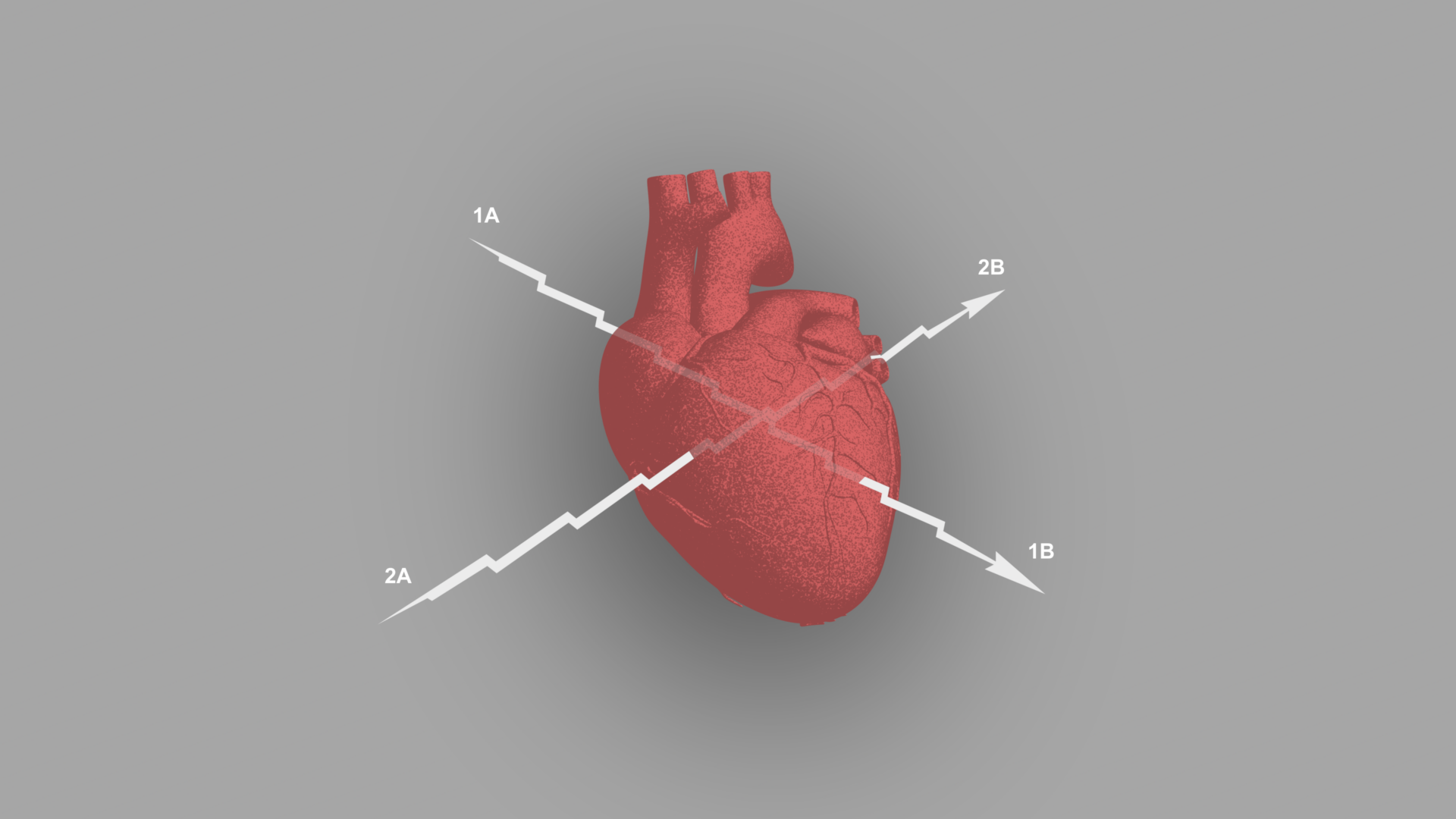
Dual Defibrillation Trial
Stations included
3
Ambulances included
8
Patients included
11
The Dual Defib Trial
Dual Defib is a Norwegian project that research whether the use of two defibrillators, is a better alternative than current treatment of out-of-hospital cardiac arrest. The procedure is known as double sequential external defibrillation (DSED).
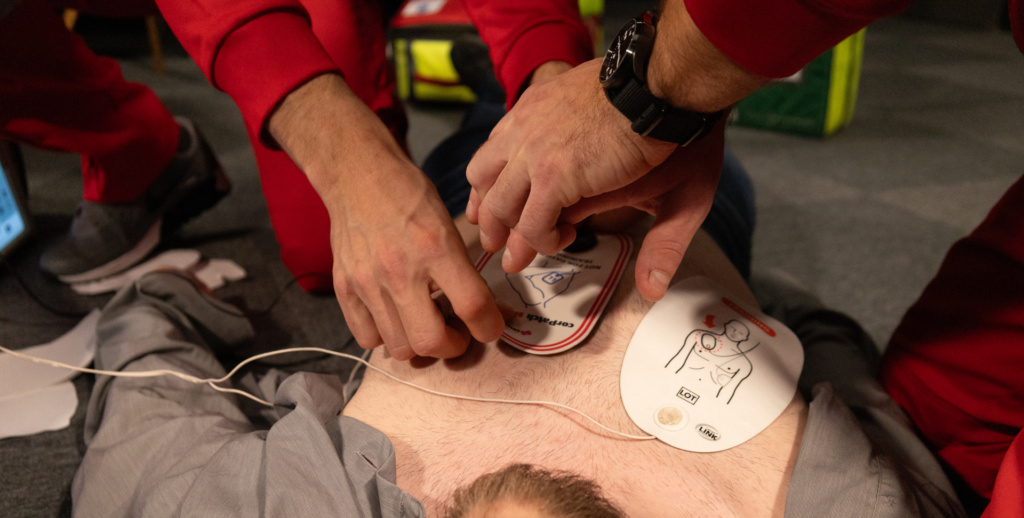
The primary outcome of the study is survival to hospital admission. Secondary outcomes include return of spontaneous circulation on-site, survival to hospital discharge, and survival to 30, 90 and 365 days, in addition to evaluation of neurological status.
Photo: Aksel Sandvik at Molde University College
Initially, a pilot feasibility trial will run for 4 months. All patients will be treated with DSED procedure, and all patients will be included in the study until feasibility of the study is accomplished. This will be followed by an investigator-initiated, prospective, multicentre, two-group randomized controlled trial (RCT). Included ambulance stations will be randomized to either DSED or standard procedure for six months followed by six months crossover to the other treatment.
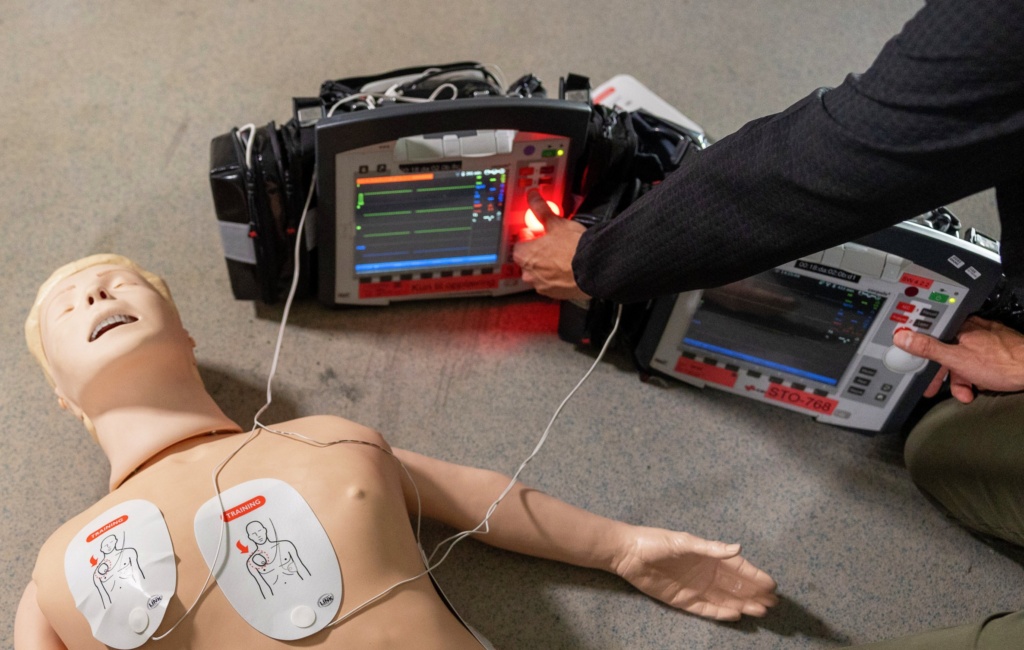
Ambulances will carry two defibrillators when assigned to DSED procedure. Both defibrillators are carried to the patients where they will be established for initial double shock. Subsequent shocks are continued with both defibrillators, while all other treatment will be according to existing guidelines.
Photo: Aksel Sandvik at Molde University College
Study settings

Participants
Included population is patients with age above 18 years that suffer from out-of-hospital cardiac arrest, and present with a shockable rhythm on-site.

Inclusion criteria
The following criteria will apply for all participants:
- Age above 18 years (estimation by crew on-site)
- Out-of-hospital cardiac arrest

Exclusion criteria
Incarcerated patients
- Estimated younger than 18 years old
- Pregnancy, suspected or obvious
- Known do-not-resuscitate order